
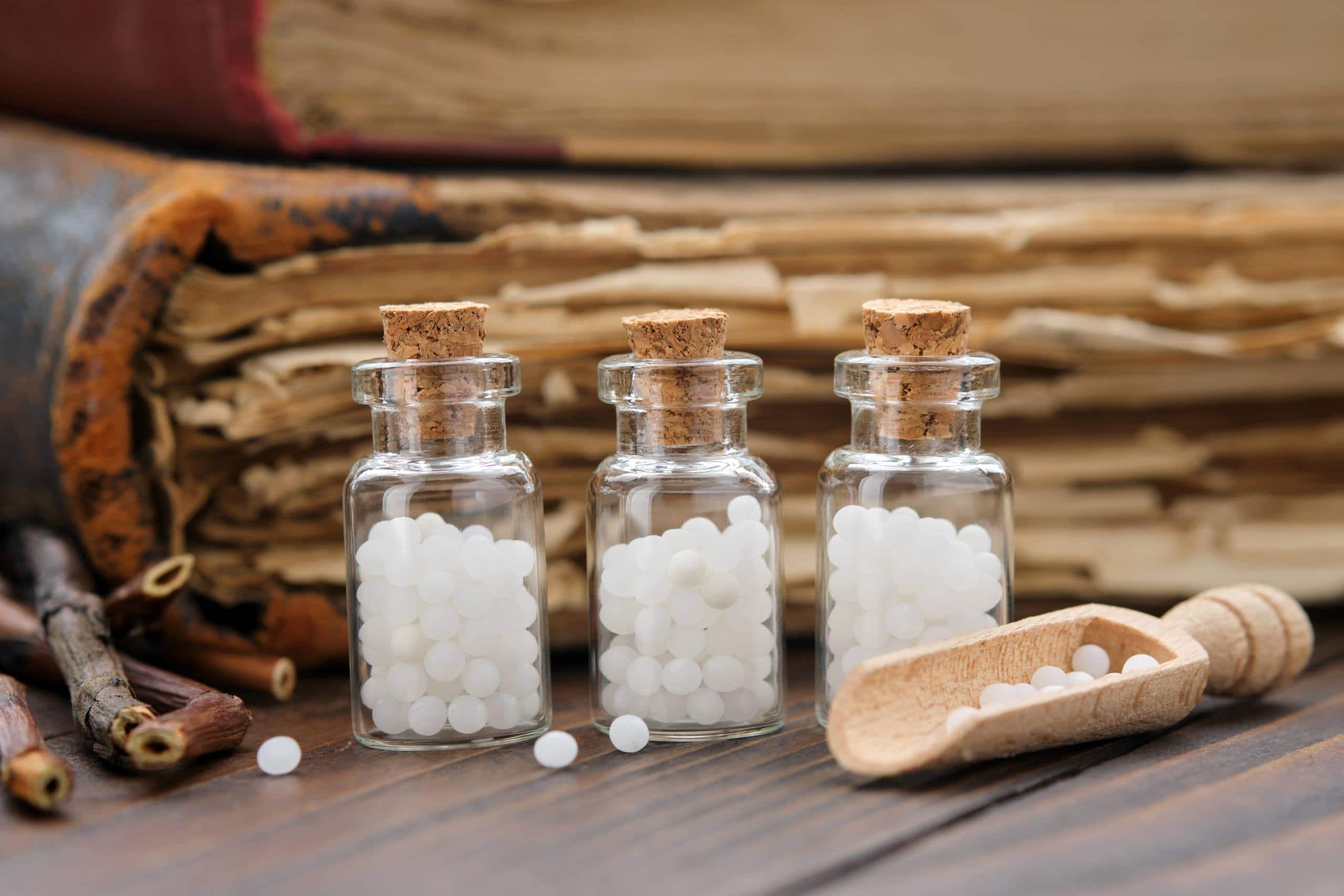
The use of sugar as a medicine can be traced back to ancient times, and it has been used for its medicinal properties in various cultures throughout history. In 9th-century Iraq, for example, sugar was combined with fruits and spices to make medicinal syrups, powders, and infusions.
During the Middle Ages, sugar was considered a valuable medicine and was used to treat a variety of ailments, including coughs, sore throats, and constipation. In the 18th century, British doctors prescribed sugar as a cure for a range of diseases, including scurvy and tuberculosis. Some physicians even recommended blowing sugar powder into the eyes to treat eye ailments and irritations.
While the use of sugar as a medicine has fallen out of favour in modern times, it remains an important ingredient in many traditional medicines and remedies around the world. For example, in Ayurvedic medicine, a traditional system of medicine practised in India, sugar is used to treat a variety of conditions, including coughs, colds, and digestive problems.
Sugar can be part of a balanced diet when consumed in moderation, meaning in amounts that do not exceed the recommended daily intake of added sugars. The American Heart Association recommends limiting added sugar intake to no more than 6 teaspoons (25 grams) per day for women and 9 teaspoons (38 grams) per day for men. By choosing a balanced and varied diet, you can enjoy the benefits of sugar in moderation while still meeting your nutrient needs and supporting optimal health.
Source: mentalfloss.com